- India’s sprawling, populous and high-density cities offer fertile ground for the virus, yet the country’s defences pale in comparison to China’s
- So far, it has been lucky. We must hope it stays that way
As the novel coronavirus spreads alarmingly through China, with reports suggesting more than 70,000 infected, and the number of fatalities slowly climbing, many neighbouring countries are alarmed. One which is high on the list of potential crisis zones is India, almost as populous as China and considerably less well-organised to cope with a disaster of this nature.
The worst may yet not come to pass. Only three cases of infection have been confirmed in India, whereas Singapore has reported 75, Hong Kong 57 and Thailand 35. Still, there is genuine concern that cases are not being identified and reported accurately. The World Health Organisation has declared the outbreak a Public Health Emergency of International Concern, which means any country could be at risk. India, with all its vulnerabilities, could be a prime candidate.
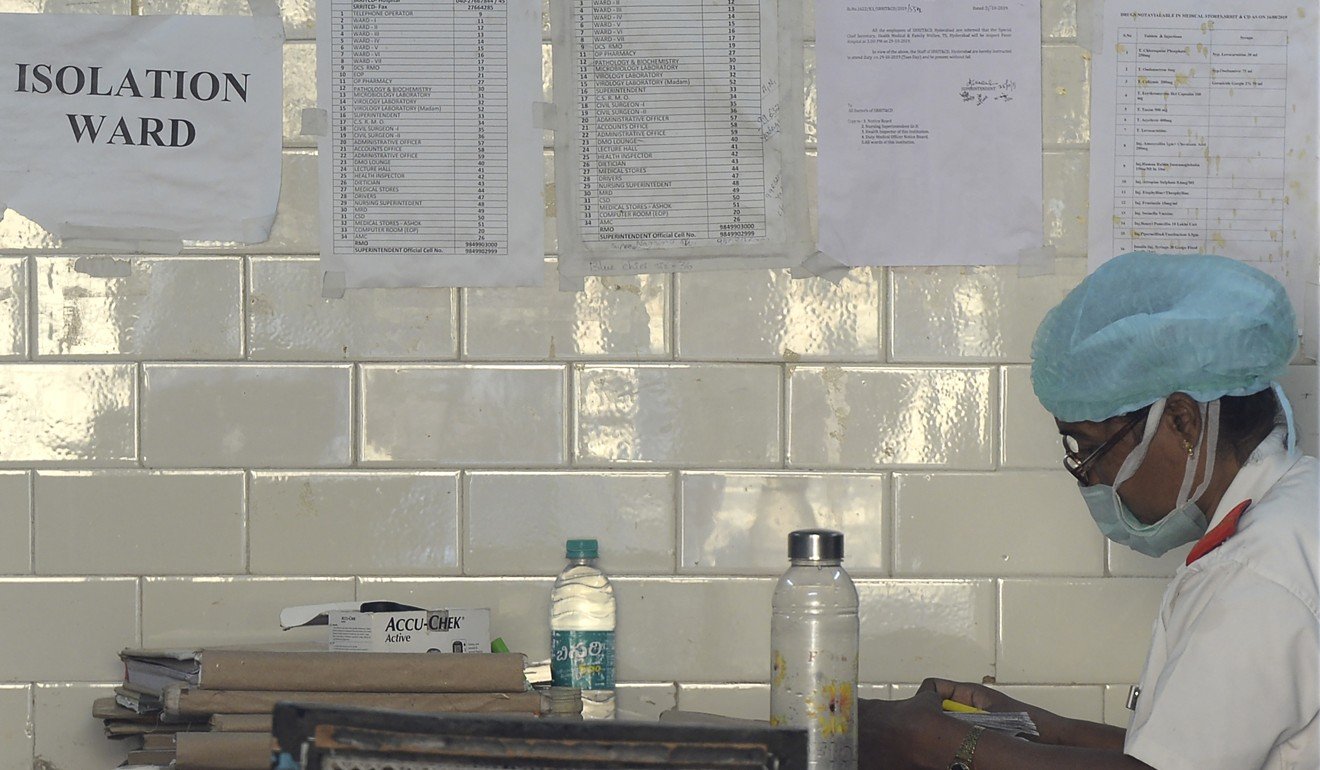
The three cases in India, all involving medical students from Wuhan who are now home in the state of Kerala, are all in stable condition and are being closely monitored, two in hospital isolation and one at home. India successfully evacuated 324 students from Wuhan who are now in quarantine in a detention facility in Manesar, less than two hours from the nation’s capital, where none has so far tested positive for the virus. Some 4,000 people are reported to be under observation at isolation wards across the country, but the number of confirmed cases has remained at three for over a week.